





PLANT-BASED PROTEIN: WHAT ACTUALLY MAKES ONE "COMPLETE"
What is a plant-based protein supplement, and how is it different from whey?
A plant-based protein supplement derives its protein from sources like pea, brown rice, or pumpkin seed instead of dairy. The historical challenge with plant protein has been amino acid completeness — most single plant sources are missing or low in at least one essential amino acid, which is why quality plant proteins blend multiple sources (for example, pea + rice) to cover the full amino acid profile that a single source alone can't provide.
What should you look for in a vegan protein powder in India?
A genuinely well-formulated vegan protein powder in India should have three things: a multi-source protein blend for amino acid completeness, a stated BCAA and EAA content (not just total protein grams), and ideally a digestive enzyme addition, since plant proteins are generally harder to digest than whey and can cause bloating without one.
Is plant protein as effective as whey for muscle building?
Plant protein sources like pea and rice, when combined, can match whey's essential amino acid profile fairly closely — the primary historical gap (leucine content, which drives muscle protein synthesis) is largely closed by blending pea protein (naturally higher in leucine) with rice or other complementary sources. The main remaining difference is digestion speed, which is a minor factor for most non-competitive training goals.
Our Pure Plant Protein delivers 24g of complete protein per serving from a pea, brown rice and pumpkin seed blend, with 4.2g BCAAs and 9.7g EAAs — addressing the amino acid completeness question directly, ingredient by ingredient, rather than relying on a single protein source.
Why is Pure Plant Protein called "India's lightest protein"?
The "lightest" claim isn't about calorie count — it's about how little the formula asks of your digestive system relative to the protein it delivers. Most plant proteins are dense, slow to digest, and prone to causing bloating precisely because they lack any digestive support. Pure Plant Protein is formulated to be India's lightest, most digestible plant-based protein supplement for everyday nutrition by pairing a clean, three-source protein blend with an enzyme and probiotic system (DigeZyme® + 1 billion CFU probiotics + inulin) specifically engineered to reduce that digestive load — so a "light" feeling after your shake, not a heavy, bloated one. This is a formulation-design claim, not a calorie or protein-content claim: it's about digestibility per gram of protein, not the protein being lower quality or lower dose.
THE DIGESTION PROBLEM MOST PROTEIN POWDERS DON'T SOLVE
What is a digestive enzyme protein supplement, and why does it matter?
A digestive enzyme protein supplement combines protein with enzymes (like amylase, protease, lipase, and lactase) that help break down the protein and other nutrients more efficiently during digestion. This matters specifically for plant protein, which is generally denser and harder for the body to break down than whey — without added digestive support, a portion of that protein often goes underutilized, and bloating is a common side effect.
Why is DigeZyme® specifically relevant here?
DigeZyme® is a multi-enzyme complex (amylase, protease, lipase, lactase, cellulase) added specifically to improve protein digestibility and reduce the bloating commonly associated with plant-based protein powders. It's the difference between a protein powder that just lists grams on the label and one engineered to actually be absorbed and used by your body.
What makes DigeZyme® different from a generic "digestive enzyme blend"?
DigeZyme® is a patented, branded multi-enzyme complex — not a generic in-house enzyme mix — meaning its enzyme ratios and activity levels are standardized and independently documented by its manufacturer, rather than varying batch to batch the way an undisclosed proprietary blend might. Each of its five enzymes targets a different macronutrient: amylase breaks down carbohydrates, protease breaks down protein itself (directly relevant to a protein supplement), lipase breaks down fats, lactase breaks down any residual dairy sugars, and cellulase breaks down plant fiber — covering the full digestive load of a plant-based shake, not just the protein component.
Our Pure Plant Protein includes DigeZyme®, along with 1 billion CFU probiotics and inulin, specifically to solve the digestibility gap that makes many plant proteins uncomfortable to use daily.
QUALITY, TRANSPARENCY & THIRD-PARTY TESTING
How do you verify a protein supplement's label claims are accurate?
The most reliable way is a Certificate of Analysis (COA) — a batch-specific lab report that verifies actual protein content, amino acid profile, and screens for contaminants like heavy metals and microbial content, tested by an independent, third-party lab rather than the brand itself. A credible supplement brand should be able to provide a COA for any given batch on request, since label claims without independent verification are, by definition, unverified.
Is Immunosciences' Pure Plant Protein lab tested?
Immunosciences formulates its products to clinical standards and maintains formulation data, sourcing notes, and research citations for its supplements, viewable through its research portal. For Pure Plant Protein specifically, this includes verification of protein content, the BCAA/EAA amino acid breakdown, and screening consistent with FSSAI-regulated manufacturing standards. If you're evaluating this product, we'd recommend requesting the current batch's Certificate of Analysis directly — a transparent supplement brand should provide this without hesitation, and it's the single most reliable way to confirm any protein powder's label claims independent of marketing copy.
What should a Certificate of Analysis for a protein powder actually show?
A complete COA for a protein supplement should include: verified protein content per serving (matching the label claim), the full amino acid profile (confirming BCAA/EAA amounts), heavy metal screening (lead, arsenic, cadmium, mercury), microbial safety testing, and the specific batch/lot number the report applies to. A COA tied to a specific batch number — not a generic, undated document — is the strongest signal of genuine testing rigor.
VEGAN BCAAs AND MUSCLE RECOVERY: WHERE THEY ACTUALLY COME FROM
What is a vegan BCAA supplement, and do you need a separate one?
BCAAs (Branched-Chain Amino Acids — leucine, isoleucine, valine) support muscle protein synthesis and recovery after training. Rather than needing a separate vegan BCAA supplement in India, a well-formulated complete plant protein that already delivers a meaningful BCAA dose per serving covers this need without requiring an additional product — as long as the protein source itself (like pea protein) is naturally BCAA-rich.
What actually helps with muscle recovery after training?
A genuine muscle recovery supplement in India typically needs to address two things: amino acids for muscle repair (from a complete protein) and minerals like magnesium, which plays a direct role in muscle relaxation and reducing exercise-related cramping. Protein alone addresses repair; magnesium addresses the recovery comfort side that's often overlooked.
Our Pure Plant Protein delivers 4.2g of BCAAs per serving as part of its complete amino acid profile — covering the vegan BCAA need without requiring a separate supplement.
Our Calcium Tablets, formulated with Vitamin D3 and Magnesium, support the mineral side of recovery — Magnesium specifically plays a role in muscle relaxation and reducing post-exercise cramping, making this a relevant recovery-support pick, not just a bone-health product.
CALCIUM AND MAGNESIUM: THE OVERLOOKED SIDE OF ATHLETIC RECOVERY
Why do athletes specifically need a calcium supplement?
A calcium supplement for athletes matters more than for the general population because high-impact training (running, jumping, weight-bearing exercise) puts additional stress on bone density over time. Athletes who don't get adequate calcium — especially combined with Vitamin D3 for absorption — face a higher long-term risk of stress fractures and reduced bone density, even if they're otherwise fit and strong.
What does magnesium do for exercise recovery specifically?
Magnesium supplement for recovery searches are common because magnesium is directly involved in muscle relaxation, nerve function, and energy metabolism — a deficiency is one of the more common (and correctable) causes of persistent muscle cramping or tightness after intense training.
Our Calcium Tablets combine calcium with Vitamin D3 (for absorption) and Magnesium (for muscle recovery and relaxation) — covering both the bone-density and post-exercise recovery angles in a single daily tablet.
WHEATGRASS FOR ENERGY: A WHOLE-FOOD ALTERNATIVE TO SYNTHETIC PRE-WORKOUT
What are the benefits of wheatgrass for energy and fitness?
Wheatgrass for energy and fitness works through its natural chlorophyll and antioxidant content, which supports the body's general vitality and helps counter the oxidative stress that intense training itself generates. It's a whole-food source of nutrients rather than a stimulant, which makes it a fundamentally different category from a synthetic pre-workout formula.
Is there a natural pre-workout supplement alternative to synthetic stimulants?
If you're specifically searching for a natural pre-workout supplement in India, it's worth being clear about what "natural" typically means here: most natural pre-workout searches are really looking for a stimulant-free way to feel energized before training, rather than a direct caffeine or nitric-oxide-booster replacement. We don't currently offer a dedicated stimulant-style pre-workout formula — instead, a wheatgrass shot combined with a scoop of Pure Plant Protein roughly 30–45 minutes before training gives you whole-food energy and amino acid availability without synthetic stimulants, which is a genuinely different (and for some people, more sustainable) approach than a caffeine-loaded pre-workout powder.
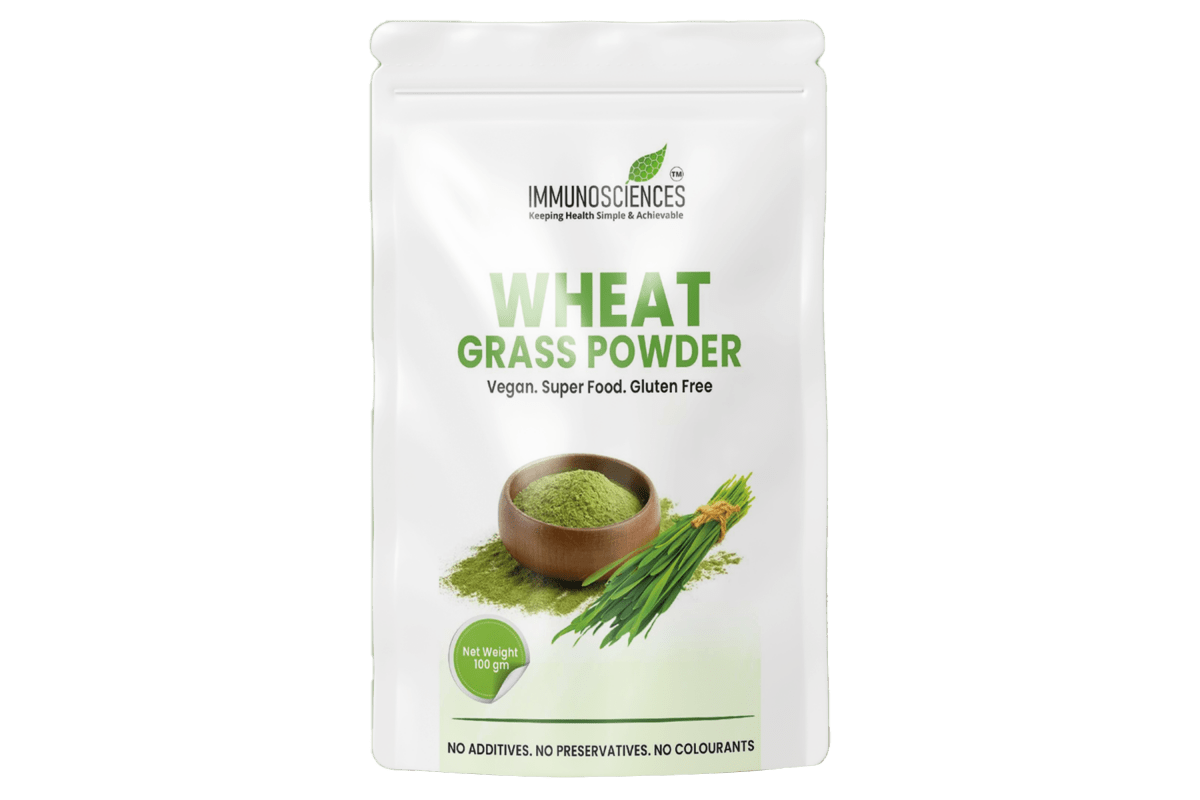
Our Wheatgrass Powder is organic, raw, and rich in chlorophyll and antioxidants — a clean, whole-food energy support option for anyone training regularly.
CELLULAR RECOVERY: WHAT IT ACTUALLY MEANS
What is a cellular recovery supplement, and how is it different from muscle recovery?
A cellular recovery supplement works at a level below muscle tissue itself — supporting the body's detoxification pathways and cellular repair processes that underlie all recovery, not just the muscle-specific repair that protein addresses. Intense training generates metabolic waste and oxidative stress at the cellular level, and supporting this broader recovery process is what separates a cellular health formula from a standard post-workout protein shake.
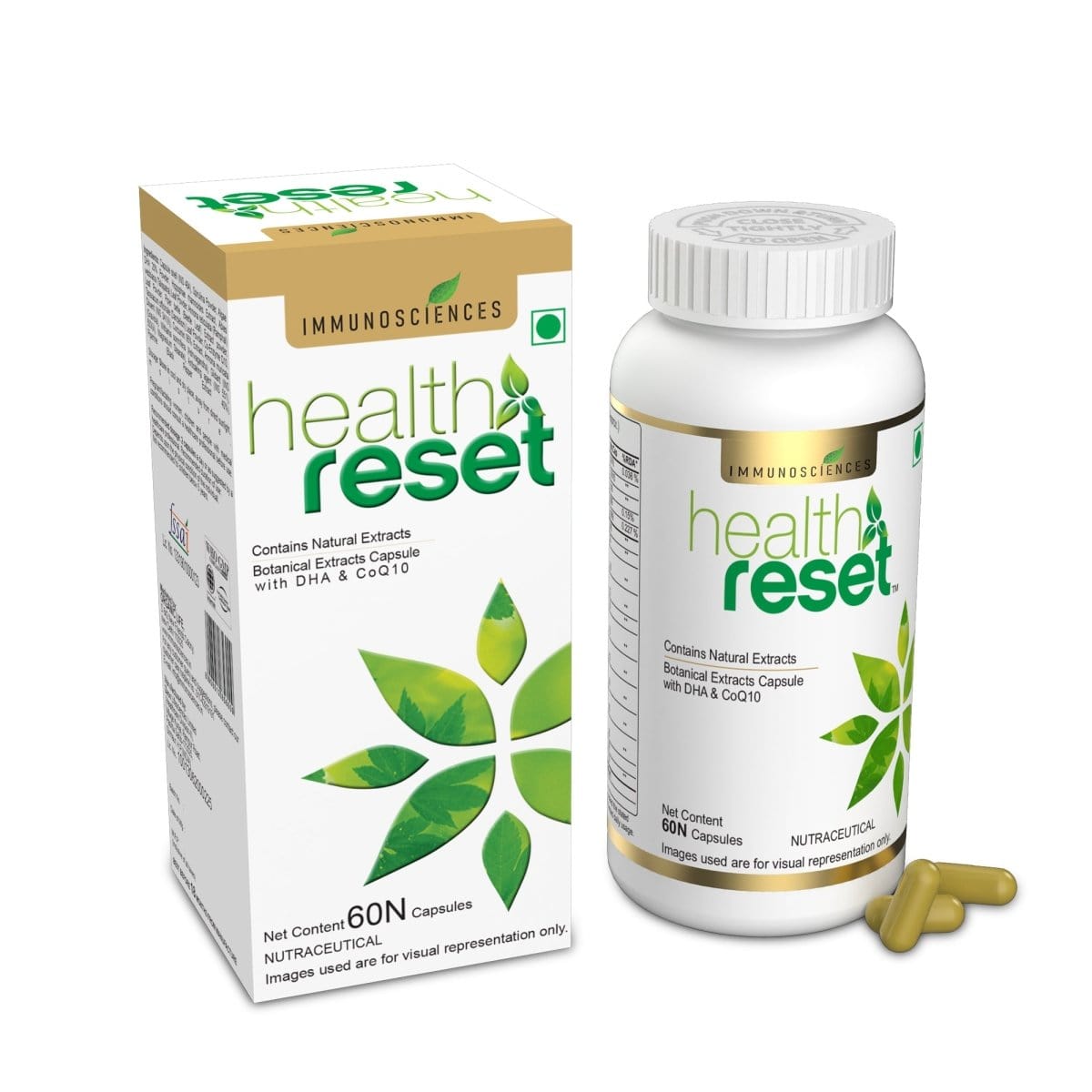
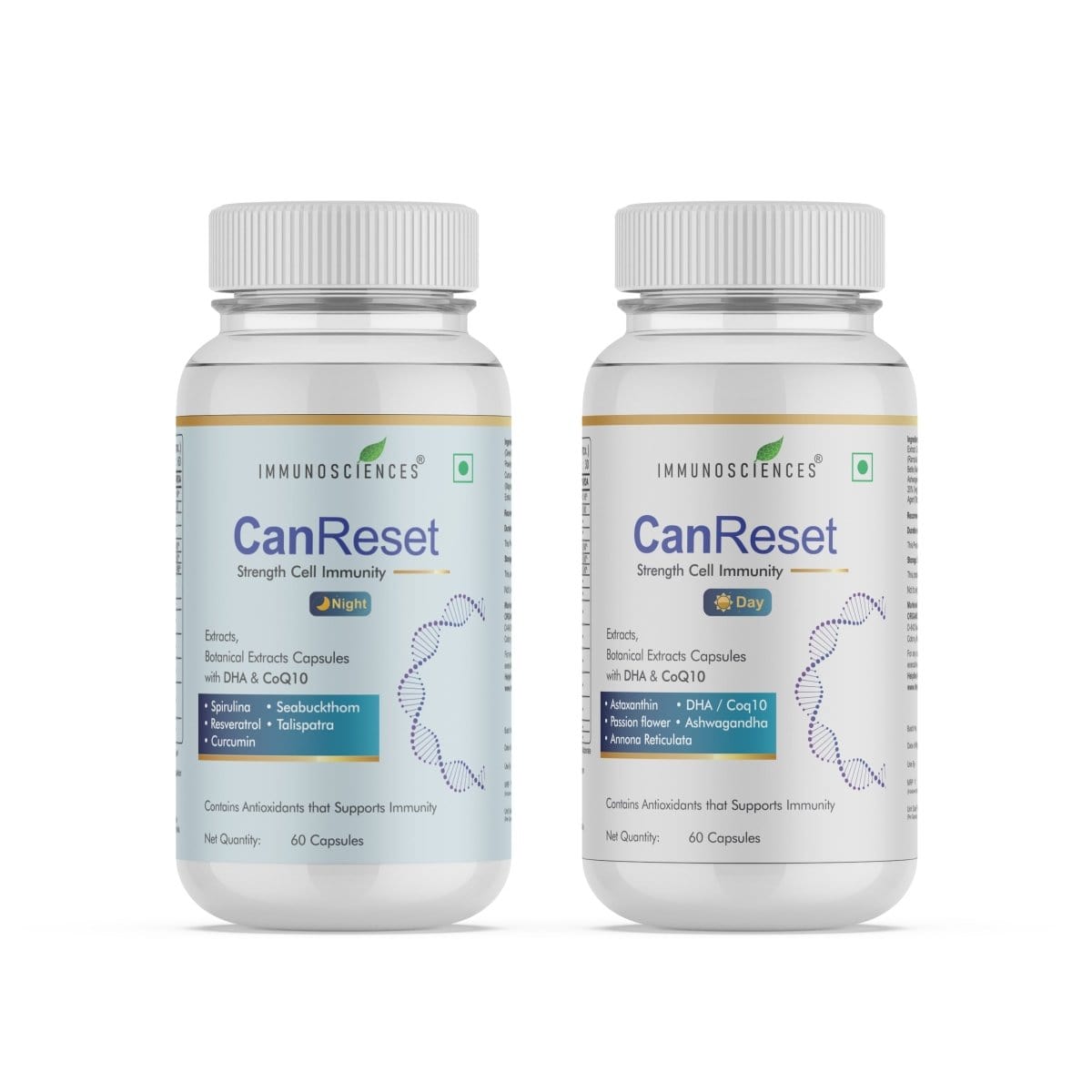
Our Health Reset and Can Reset formulas are built specifically to support cellular detoxification and repair processes — a deeper layer of recovery support for athletes and highly active individuals training at volume, beyond what protein and minerals alone address.
IMMUNE RESILIENCE: THE FITNESS FACTOR MOST PEOPLE IGNORE
Is there a legitimate case for an Ayurvedic fitness supplement?
The connection between Ayurvedic herbs and fitness isn't about direct performance enhancement — it's about training consistency. An Ayurvedic fitness supplement approach, in an honest sense, typically means supporting general immune resilience so that illness doesn't repeatedly interrupt a training program, since consistency over months is what actually drives fitness results, not any single supplement.
Our Ayurvedic Immunity Booster uses traditional herbs for daily immune support — relevant to athletes and active individuals specifically because staying training-consistent depends on staying healthy, not on any direct performance claim.
ENDURANCE AND VEGAN NUTRITION: BUILDING A ROUTINE, NOT BUYING ONE PRODUCT
Is there a dedicated vegan endurance supplement?
Rather than a single dedicated endurance supplement, vegan or otherwise, genuine endurance support in a vegan diet usually comes from combining sustained-release nutrition (complete protein with a full amino acid profile) with consistent mineral intake (magnesium, calcium) to prevent cramping over longer training sessions. We don't sell a standalone endurance formula — but Pure Plant Protein plus Calcium with Magnesium, taken consistently, addresses the two biggest vegan-specific endurance gaps: amino acid completeness and mineral depletion during longer efforts.
HOW TO CHOOSE THE RIGHT FITNESS SUPPLEMENT FOR YOUR GOAL
-
Daily protein intake / muscle building: Pure Plant Protein (standalone, or within the Vegan Weight Management Bundle)
-
Post-workout recovery and cramping: Calcium Tablets (Vitamin D3 + Magnesium)
-
Natural, stimulant-free energy before training: Wheatgrass Powder
-
Deeper cellular-level recovery for high-volume training: Health Reset or Can Reset
-
Staying consistent through cold/flu season: Ayurvedic Immunity Booster
-
Digestion issues with plant protein specifically: Prioritize a formula with DigeZyme® (already built into Pure Plant Protein)
OUR ATHLETIC FITNESS RANGE, PRODUCT BY PRODUCT
1. Pure Plant Protein — 24g Vegan Chocolate Protein
Positioned as India's lightest, most digestible plant-based protein supplement, this pea, brown rice and pumpkin seed blend delivers 24g complete protein, 4.2g BCAAs and 9.7g EAAs per serving, with the branded DigeZyme® multi-enzyme complex, 1 billion CFU probiotics and inulin for easier digestion. Formulated to clinical standards with sourcing and testing data available on request (ask for the current batch's Certificate of Analysis for independent verification). Available standalone and as part of the Vegan Weight Management Bundle in this collection — the direct answer to plant protein powder india, vegan protein powder india, and best protein supplement india vegetarian.
2. Vegan Weight Management Bundle (ACV + Pure Plant Protein)
Pairs ACV's digestive and appetite-support benefits with Pure Plant Protein's complete amino acid profile — built for anyone managing weight, muscle maintenance, and gut health together in one routine.
3. Calcium Tablets — Bone Strength & Density Support
Calcium with Vitamin D3 (for absorption) and Magnesium (for muscle recovery and relaxation) — directly relevant to both calcium supplement for athletes and magnesium supplement for recovery.
4. Wheatgrass Powder
Organic, raw wheatgrass rich in chlorophyll and antioxidants — a whole-food, stimulant-free energy support option for wheatgrass for energy and fitness.
5. Health Reset — Advanced Detox & Cellular Health Support
Supports cellular detoxification and repair processes — the deeper, cellular recovery supplement layer beyond standard post-workout nutrition.
6. Can Reset — Advanced Cellular Detox & Immune Support
A more intensive cellular and immune support formula for highly active individuals training at higher volume who want deeper recovery support.
7. Ayurvedic Immunity Booster
Traditional herbal immune support — relevant to fitness through training consistency, not direct performance enhancement.